Top Challenges in Embedded System Software Development Services
Table Of Content
Published Date :
29 May 2026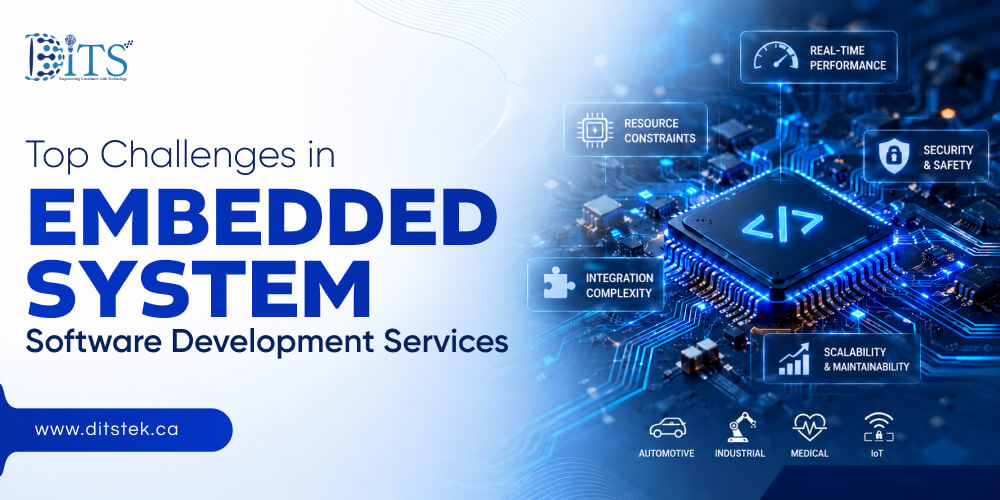
Key Takeaways
The majority of industrial operations run through embedded systems which receive insufficient attention until operational failures occur. The manufacturing, healthcare and automotive industries in Canada have experienced a major increase in demand for connected devices and automated systems.
The demand for embedded system software development services is increasing as businesses now depend more on these systems. Organizations need these services for product development and system performance validation while running day to day operations.
According to a research the IoT devices market in Canada is already growing at 15.5% CAGR and is expected to reach USD 12.7 million by 2030, which shows how deeply embedded technologies influence business operations.
This blog shares the major challenges that businesses face while developing embedded systems software for their operations.
What Are Embedded System Software Development Services
The embedded system software development requires more than just writing code as developers need to create predictable software operations within hardware systems that have restricted memory resources and processing capabilities.
In simple terms, embedded system software development services involve designing, building, and maintaining software that runs on dedicated devices.
Embedded system software development uses different methodologies because it requires engineers to collaborate with hardware teams throughout the development. A slight firmware adjustment can affect device operation and safety standards. That is where things get complex.
For Canadian businesses, this often means longer planning cycles, higher testing requirements, and stricter validation processes. Especially in regulated industries like healthcare or automotive, there is no margin for trial and error.
Increasing Demand For Embedded Solutions In Canada
Companies across Canada are implementing advanced technologies to enhance their operational systems. Industrial facilities are replacing their outdated production equipment with modern technology.
Automotive manufacturers are making substantial financial commitments to develop electric and self-driving vehicle technologies. Healthcare organizations, including those with moderate scale operations, are implementing smart technology solutions for their patient surveillance systems.
This shift is driven by a need for efficiency, accuracy, and real-time decision-making. In fact, many organizations now rely on embedded technologies to reduce downtime, improve safety, and maintain consistent output across operations.
The speed of development is what creates the current situation. Businesses used to restrict embedded systems usage to their largest facilities, but now all companies see value in adopting this technology with the help of partners offering IoT development services.
But with increased adoption comes pressure. Systems are expected to be faster, more secure, and easier to update. At the same time, businesses want shorter development cycles and predictable costs. That combination is not easy to manage.
This is where the real challenges of embedded system software development start to surface.
Want Better Embedded Software Performance And Stability?
Develop secure and optimized embedded solutions that address real-time processing, hardware compatibility, and system reliability requirements efficiently.
Key Challenges in Embedded System Software Development Services
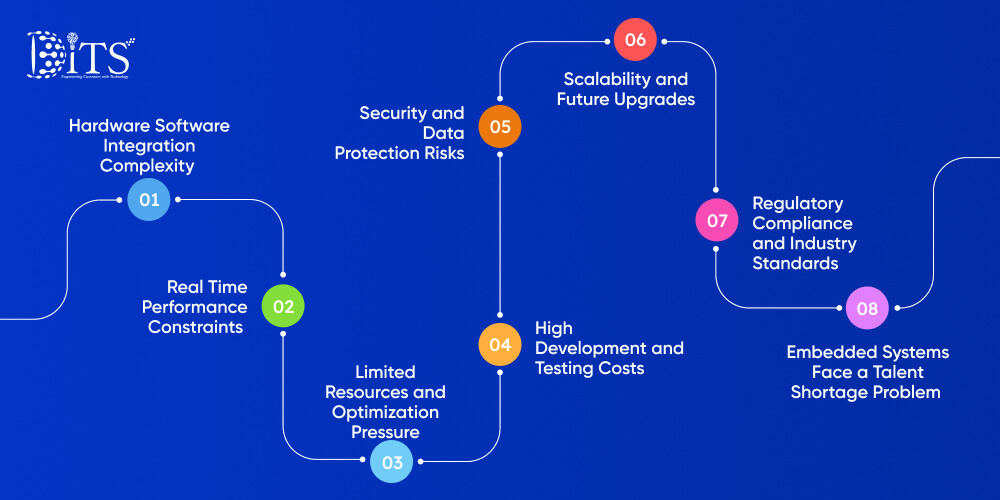
Businesses face several challenges like integration complexity, limited resources, high costs, data protection and scalability while developing embedded system software.
Hardware Software Integration Complexity
The first obstacle which teams need to overcome exists because hardware and software components have a close relationship. They cannot just deploy these systems to fix issues later as it requires ongoing maintenance. The operational costs of fixing equipment which breaks down during actual use, exceed its technical expenses.
A manufacturing facility implements intelligent controllers to minimize equipment downtime. The software must match the exact specifications of the hardware components. The entire operational process gets disrupted from any timing or signal handling errors.
Real Time Performance Constraints
Multiple embedded systems need to operate within specific time periods. Automotive braking systems and medical monitoring devices are the examples for this concept. The system faces severe risks even for a delay of few milliseconds.
Developers must make systems operate in a predictable manner which requires them to respond to events between specific time periods. The process appears easy to execute, but demands system optimization.
The problem emerges at this point. The system becomes more difficult to control because multiple features are added to it. The introduction of additional features leads to increased processing demands which decrease system response times.
Limited Resources and Optimization Pressure
Embedded devices function within established limits. Teams face ongoing challenges because they must balance three essential system components which include limited memory, restricted processing capacity and energy efficiency mandates.
The addition of a new feature requires developers to choose between two existing features which they either need to remove or optimize. The system lacks cloud-based systems which provide unlimited scaling capabilities. All resources need to operate within predefined limits.
This is where experienced teams make a difference. They understand how to create efficient code while controlling system resources and building systems that that perform efficiently without overloading hardware.
High Development and Testing Costs
Embedded projects experience cost overruns which exceed their original budget. The total cost of the project increases because of the need for hardware prototypes and specialized tools and extended testing periods.
Testing itself becomes a major cost driver. The testing process for this system requires multiple hardware assessments which include real-world condition simulations and performance stress testing.
Nobody likes unexpected cost overruns, especially when they impact product launch timelines. Yet, without proper testing, the risk of failure in the field is far greater.
Security and Data Protection Risks
The number of security risks increases as more devices become connected to the internet. Embedded systems operate in environments which they use to process sensitive information and manage essential business functions.
Businesses face data breaches and system manipulation and compliance issues because their security measures do not protect their systems effectively. Organizations must follow Canadian data protection regulations which create additional compliance requirements.
Security is a primary concern that organizations must address now. Embedded systems require security to be integrated during their initial development process instead of integrating at a later stage.
Scalability and Future Upgrades
Companies find it difficult to create systems which will remain effective in the future.
It’s challenging to roll out firmware updates to a network of thousands of devices distributed across various geographical regions. The process requires detailed organization, secure methods for deployment, and systems which can recover from any operational disruption.
Systems will become obsolete without proper planning because organizations will need to invest in new equipment instead of upgrading their current setup.
Regulatory Compliance and Industry Standards
All Canadian businesses need to follow strict regulations. The regulations require businesses to obtain safety certifications while meeting quality standards and completing specific documentation tasks.
Achieving these standards requires both time and expert knowledge. The product approval process will experience delays when businesses fail to meet any single requirement.
The compliance process becomes an unexpected challenge for companies which enter this industry for the first time.
Embedded Systems Face a Talent Shortage Problem
The search for skilled professionals in this area is really difficult. The process of embedded development needs developers who possess both hardware skills and software development abilities.
The demand for these skilled workers in Canada has risen faster than the available workforce. The result of this situation leads to extended hiring processes which increase expenses while compromising team effectiveness.
Most companies in Canada choose a custom software development company to meet their specialized needs because they want expertise without creating internal teams.
The combination of these challenges creates a situation that will lead to unavoidable project delays while increasing costs and technical problems unless proper solutions are implemented.
Impact of These Challenges On Canadian Businesses
The problems of embedded projects extend beyond the engineering team because they create issues which impact project schedules, financial resources, final results and customers experience.
A manufacturing company from Ontario had plans to introduce their smart monitoring device within a nine-month period. The prototype functioned correctly during controlled testing, but it encountered performance problems after its deployment to the shop floor.
The system required multiple redesign cycles because operational challenges arose from heat variations, inconsistent power supply and real-time processing delays. The launch required almost 16 months to complete. By that time, competitors had already moved ahead.
This situation represents a recurring pattern which shows how inadequate planning and execution create negative effects on business performance.
Here is how these challenges typically translate into real business impact:
| Challenge Area | Business Impact |
| Integration issues | Delays in product release and increased dependency on hardware revisions |
| Performance constraints | Reduced reliability in critical applications |
| Resource limitations | Compromised features or performance trade-offs |
| High development costs | Budget overruns and reduced ROI |
| Security risks | Exposure to data breaches and compliance penalties |
| Compliance complexities | Delayed certifications and restricted market access |
| Talent shortage | Slower execution and inconsistent development quality |
Beyond numbers and delays, there is a less visible cost. Reputation. When a product fails or underperforms, clients remember. And in industries like healthcare or automotive, trust is everything.
Another subtle impact is internal strain. Leadership teams often find themselves managing uncertainty, reallocating budgets, and justifying delays to stakeholders. It becomes a cycle of reactive decision-making instead of strategic growth.
This is why many organizations are now investing not just in development, but in smarter development practices. Some are even exploring AI software development to improve code quality, automate testing, and reduce manual errors early in the cycle.
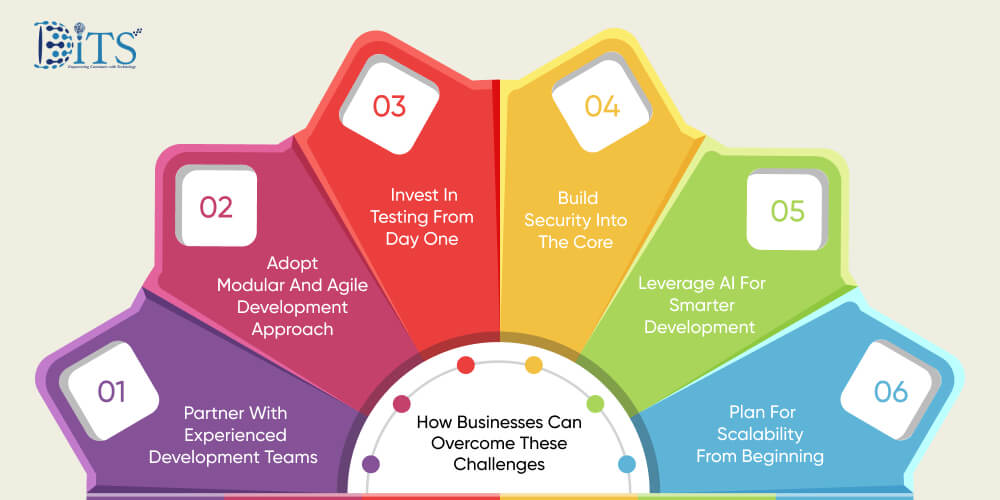
How Businesses Can Overcome These Challenges
The main reasons for embedded project failures stem from organizational intent which shows strong commitment to their goals. The project encounters difficulties because of inaccurate initial assessment of its complexity.
Partner With Experienced Development Teams
The process of developing everything with internal resources will create delays, especially when they lack specialized knowledge required for development. That’s why Canadian businesses are investing in IoT consulting services. The embedded system software development specialists provide complete understanding of their solutions beginning from the first day. Their prior experiences with identical problems enable them to deliver results with greater accuracy.
Adopt Modular And Agile Development Approach
Rigid systems break easily when requirements shift. A modular setup allows teams to isolate components and make changes without affecting the entire system. Combined with agile cycles, it helps businesses test early, adapt faster, and avoid last-minute surprises that usually delay launches.
Invest In Testing From Day One
The process of testing at a late stage becomes costly. The process of testing at the beginning requires more time, but it leads to faster results throughout the entire project. The development process uses real-world condition simulations to test power fluctuations and workload stress, which helps identify operational problems before they occur. The main reason for delays in projects stems from insufficient testing procedures which exist in testing gaps.
Build Security Into The Core
Security is often treated as a final step. That approach rarely works in embedded environments. Systems need built-in safeguards from the start, including secure communication and controlled access. Fixing vulnerabilities later is far more complex, especially once devices are deployed in the field.
Leverage AI For Smarter Development
Some companies are quietly improving outcomes by integrating AI into their workflows. At DITS, we use AI for software development, quality assurance, and maintaining code quality while enabling better customization. It helps teams detect issues earlier and reduces repetitive manual work, which often slows projects.
Plan For Scalability From Beginning
Many systems work well initially but struggle when requirements grow. Planning for updates, remote management, and scalability early avoids costly redesigns later. It’s a small shift in thinking, but it makes systems more adaptable and extends their lifecycle without major reinvestment.
Why Choose DITS For Embedded System Software Development
Selecting the right partner often decides how smoothly an embedded project moves from idea to deployment. Many businesses realize this only after dealing with delays, rework, or systems that struggle in real environments.
At DITS, the focus stays on building systems that work beyond controlled conditions. We look at hardware interaction, performance under load, and long-term usability from the start, rather than fixing gaps later.
Another key difference is how we use artificial intelligence in our processes. At DITS, AI supports software development, quality assurance, code quality, and customization. It helps teams catch issues earlier, reduce repetitive work, and maintain consistency across the system.
We also avoid one-size-fits-all builds. Every solution is aligned with specific business needs, which makes adoption easier and outcomes more predictable. And since embedded systems evolve over time, we design them with scalability and long-term support in mind.
In simple terms, DITS don’t just build and deliver software. We deliver solutions that continue to work for years and can be scaled as the business grows.
Planning To Modernize Embedded Systems With Advanced Technology?
Implement intelligent embedded software solutions with robust architecture, enhanced security, and seamless integration for next-generation connected devices.
Conclusion
Embedded systems have evolved into essential components of business operations which operate behind the scenes to enhance efficiency, accuracy and drive business innovation.
Canadian companies face challenges because developing these systems is a complex process. The development process requires developers to maintain accurate performance measurement because they need to address three critical areas: integration challenges and testing performance requirements and compliance standards.
The companies that succeed prepare for challenges which they will face in the future. The business develops its essential competencies through strategic resource investment while implementing adaptable product development methods and maintaining focus on future requirements.
As embedded systems function as both technical assets and long-term business systems, the correct implementation of these systems creates significant impact for organizations.
FAQs
What industries in Canada benefit most from embedded system software development services?
Embedded systems serve as critical components for multiple industries including automotive healthcare manufacturing and energy. These sectors use them for automation, monitoring, and real-time control which improves operational efficiency and safety.
How much does embedded system development cost in Canada?
Project costs depend on three main factors which include system complexity requirements for hardware and needs for compliance testing. A basic project starts at CAD 30,000 while advanced systems with strict regulatory requirements can exceed CAD 200,000.
How long does it take to develop an embedded system?
Development timelines typically range from 4 to 12 months. Projects with complex hardware requirements and regulatory approval processes take extended timeframes because they need multiple testing phases.
What should businesses look for in an embedded development partner?
Businesses need to assess four key factors which include technical expertise and industry experience and knowledge of compliance standards and ability to provide support after deployment. A partner who can manage both development and long-term maintenance will deliver better project results.
How do DITS embedded system software development services help reduce project risks?
DITS embedded system software development services start their work through project planning which continues until they conduct actual field assessments of their solutions. The development team discover problems during the project instead of waiting till the last stage. The process helps businesses because it decreases expensive rework while it also prevents system failures during rollout and maintains project timelines.
Can DITS embedded system software development services support long-term system upgrades?
Yes, DITS embedded system software development services are designed with scalability in mind. Systems are built to support future updates, remote management, and performance enhancements. This allows businesses to extend the lifecycle of their products without needing complete redevelopment every few years.

Dinesh Thakur
21+ years of IT software development experience in different domains like Business Automation, Healthcare, Retail, Workflow automation, Transportation and logistics, Compliance, Risk Mitigation, POS, etc. Hands-on experience in dealing with overseas clients and providing them with an apt solution to their business needs.
Recent Posts
Explore how prior authorization software uses AI to automate workflows, reduce administrative effort, improve request accuracy, streamline approvals, and minimize treatment delays for healthcare organizations.
Discover how AI to improve patient experience in hospitals streamlines scheduling, communication, triage, queue management, and personalized care while enhancing operational efficiency.
Learn how IoT powers smart factories with connected devices, automation, predictive maintenance, and analytics.