How Medical Billing Software for Billing Companies Improves Revenue, Accuracy, and Scalability
Table Of Content
Published Date :
29 Apr 2026
Medical billing companies today are operating in a much more demanding environment than before.
Claim denials are increasing. Payment cycles are slower. Clients expect faster results with fewer errors. At the same time, competition is growing, and margins are under pressure.
In this environment, billing directly impacts revenue flow and business growth.
However, many billing companies still rely on manual processes, disconnected tools, or outdated systems. While these methods may seem manageable, they often lead to:
- Delays in claim processing
- Higher chances of errors
- Difficulty in handling larger volumes
This is where medical billing software for billing companies becomes essential.
Modern billing software goes beyond basic automation. It helps companies:
- Improve revenue flow
- Reduce errors
- Manage operations more efficiently
- Scale without increasing complexity
More importantly, with the integration of intelligent technologies, billing companies can now move from a reactive approach to a more proactive and data-driven way of working.
In this blog, we will explore how medical billing software helps billing companies improve revenue, accuracy, and scalability, and why adopting the right solution has become a strategic decision rather than just a technical upgrade.
Key Benefits of Medical Billing Software for Billing Companies
- Improves cash flow by speeding up claim submission and reimbursements
- Reduces claim denials through automated checks and validations
- Enhances accuracy by minimizing manual errors
- Increases operational efficiency with workflow automation
- Enables scalability without proportional increase in staff
- Provides real-time insights for better financial decision-making
- Supports compliance with built-in regulatory safeguards
See How Billing Software Improves Your Revenue!
Discover how automation and AI can reduce denials and speed up your cash flow.
What Is Medical Billing Software for Billing Companies?
Medical billing software for billing companies is a digital system that automates and manages the end-to-end medical billing process, including claim creation, submission, tracking, and payment reconciliation.
It is specifically designed to help billing companies handle multiple clients, high claim volumes, and complex billing workflows with greater efficiency and accuracy.
Unlike basic tools, it centralizes all billing operations into a single platform, reducing manual effort and ensuring consistency across processes.
Key Features of Medical Billing Software for Billing Companies
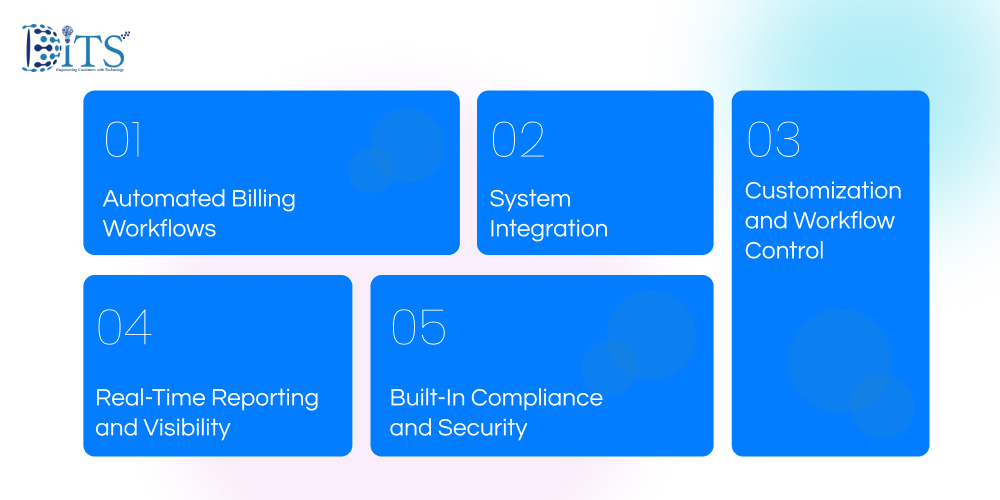
Medical billing software for billing companies includes features designed to streamline billing operations, reduce manual effort, and maintain consistency across workflows. These features form the foundation for efficient and scalable billing processes.
Automated Billing Workflows
Manual processes slow down operations and increase the chances of errors. Billing software automates tasks such as claim creation, submission, and follow-ups, ensuring faster and more consistent execution without relying heavily on manual input.
Real-Time Reporting and Visibility
Limited visibility makes it difficult to track performance and identify issues. Billing software provides real-time dashboards that show claim status, collections, and operational metrics, helping teams stay informed and in control.
System Integration
Disconnected systems create duplication of work and inconsistencies. Billing software integrates with EHR/EMR and other platforms, enabling smooth data flow and reducing the need for repeated data entry.
Built-In Compliance and Security
Healthcare billing requires strict adherence to regulations. Billing software includes compliance checks and security measures to ensure accurate processing and protection of sensitive data.
Customization and Workflow Control
Different billing companies have different processes. Billing software allows customization of workflows and configurations, ensuring that the system aligns with specific business requirements.
These capabilities form the foundation of modern medical billing software features that support efficient and scalable operations.
Explore Features Built for Billing Companies!
Get a closer look at tools designed to simplify workflows and improve accuracy.
How Medical Billing Software for Billing Companies Improves Revenue
Medical billing software for billing companies improves revenue by reducing delays, minimizing claim denials, and ensuring consistent follow-ups. It helps billing companies get paid faster while reducing revenue loss caused by errors and inefficiencies.
Faster Claim Submission and Processing
Delays in claim submission often slow down the entire payment cycle. Manual processes can cause backlogs, especially when handling high volumes. Medical billing software automates claim creation and submission, ensuring that claims are processed quickly and consistently. This leads to faster reimbursements and improves overall cash flow.
Reduced Claim Denials and Rejections
A large portion of revenue loss comes from denied or rejected claims. These errors are often due to incorrect data, missing information, or coding issues. Billing software performs automated checks before submission, identifying and fixing errors early. This increases claim acceptance rates and reduces the need for rework.
Better Follow-Up on Unpaid Claims
Unpaid or delayed claims often go unnoticed in manual systems. This results in missed revenue opportunities. Billing software tracks claim status in real time and highlights pending or overdue payments. Automated reminders and structured workflows ensure timely follow-ups, helping recover more revenue.
Improved Visibility into Revenue Performance
Without clear visibility, it is difficult to understand where revenue is getting delayed or lost. Billing software provides real-time dashboards that show collections, outstanding payments, and trends. This helps decision-makers identify issues quickly and take corrective action.
Data-Driven Revenue Optimization
Many billing companies operate without insights into patterns affecting their revenue. Modern billing systems analyze historical data to identify trends such as frequent denial reasons or slow-paying payers. This allows companies to make informed decisions and improve revenue outcomes over time.
How Medical Billing Software for Billing Companies Improves Accuracy
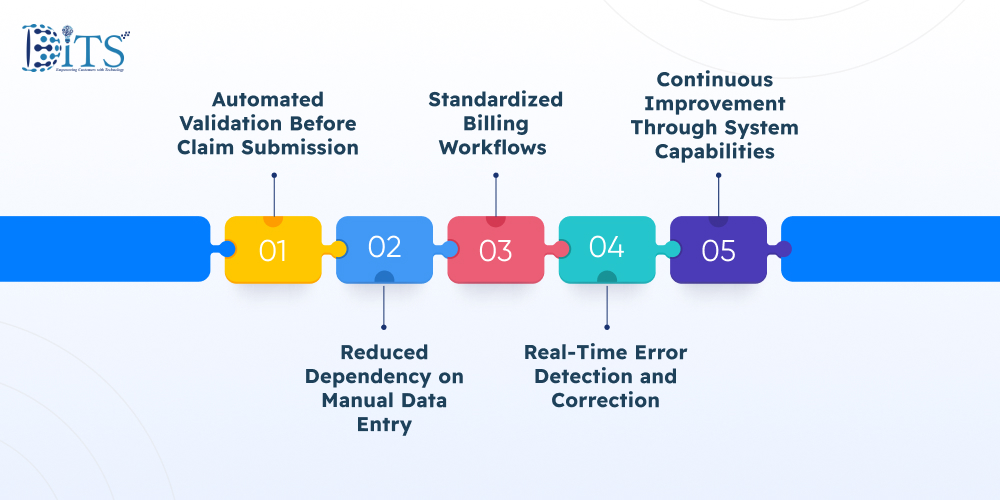
Medical billing software for billing companies improves accuracy by reducing manual errors, standardizing workflows, and ensuring that claims are submitted with complete and correct information. It helps billing companies maintain consistency across processes and minimize costly mistakes.
Automated Validation Before Claim Submission
Errors in claims often occur due to missing or incorrect information. In manual processes, these mistakes are hard to catch early. Billing software automatically checks claims before submission, ensuring that required data, codes, and formats are correct. This reduces the chances of rejection and improves overall accuracy.
Reduced Dependency on Manual Data Entry
Manual data entry is one of the biggest sources of errors in billing operations. Repetitive tasks increase the risk of mistakes, especially at scale. Billing software minimizes manual input by automating data capture and processing, leading to more consistent and error-free billing.
Standardized Billing Workflows
When processes vary between team members, inconsistencies are common. Billing software enforces structured workflows, ensuring that every claim follows the same steps and checks. This consistency improves accuracy and reduces variation in outcomes.
Real-Time Error Detection and Correction
In traditional systems, errors are often identified only after a claim is denied. Billing software detects issues in real time, allowing teams to fix them before submission. This prevents delays and reduces the effort required for corrections later.
Continuous Improvement Through System Capabilities
Modern billing systems are designed with features that support accuracy at every stage, from validation to reporting. These capabilities help teams identify patterns, reduce recurring errors, and improve overall performance over time.
How Medical Billing Software for Billing Companies Improves Scalability
Medical billing software for billing companies improves scalability by enabling teams to handle higher claim volumes and more clients without increasing operational complexity. It allows businesses to grow efficiently while maintaining performance and control.
Handling Higher Volumes Without Increasing Headcount
As billing companies grow, manual processes require more staff to manage increased workload. This raises costs and reduces efficiency. Billing software automates repetitive tasks, allowing existing teams to manage more claims and clients without proportional hiring.
Centralized Management Across Multiple Clients
Managing multiple clients using separate systems or workflows creates confusion and inefficiency. Billing software centralizes all operations into a single platform, making it easier to track performance, manage accounts, and maintain consistency across clients.
Streamlined and Repeatable Workflows
Scaling operations requires consistency. Without structured processes, errors and delays increase with volume. Billing software standardizes workflows, ensuring that tasks are executed the same way every time, regardless of scale.
Faster Onboarding of New Clients
Adding new clients can be time-consuming without the right systems in place. Billing software simplifies onboarding by providing predefined workflows and configurations. This allows companies to start operations quickly without disrupting existing processes.
Better Control and Visibility at Scale
As operations expand, it becomes harder to track performance and identify issues. Billing software provides real-time visibility into workflows, claims, and revenue across all clients. This helps maintain control even as the business grows.
Built for Long-Term Growth
Scalable systems are designed to adapt as business needs evolve. A strong foundation, supported by the right medical billing software requirements ensures that billing companies can expand operations without facing system limitations or inefficiencies.
Benefits of Medical Billing Software for Different Billing Companies
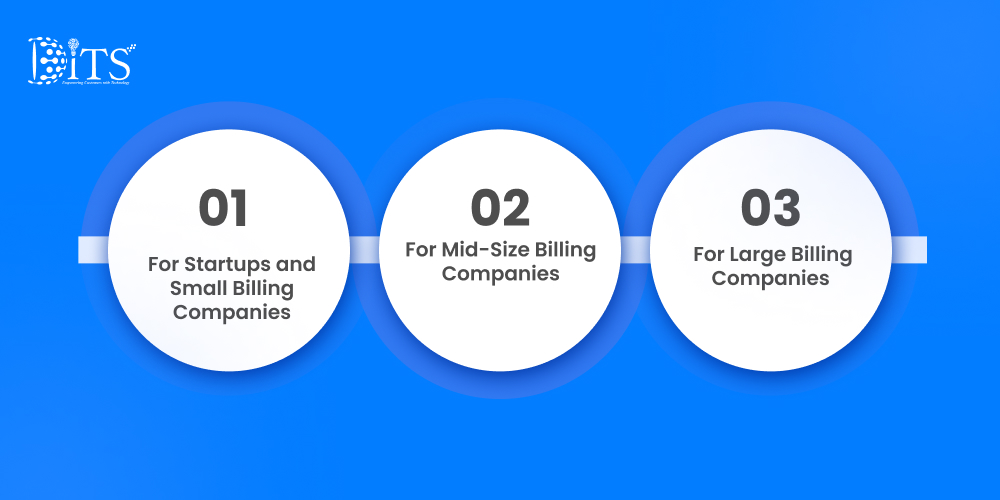
Medical billing software delivers value across all types of billing companies, but the impact varies based on size, scale, and operational needs. It helps each segment improve efficiency, control costs, and support growth in a structured way.
For Startups and Small Billing Companies
Startups often struggle with limited resources and tight budgets. Managing billing manually can slow down growth and increase errors. Medical billing software provides a structured system from the start. For startups and smaller firms, having the right approach to medical billing software development for small business plays a key role in avoiding unnecessary costs and building scalable operations from the start.
For Mid-Size Billing Companies
Mid-size companies often face challenges in maintaining control while scaling operations. Increasing clients and claim volumes can create inefficiencies and process gaps. Billing software helps standardize workflows, improve visibility, and maintain consistency across operations. This enables controlled growth without increasing operational complexity.
For Large Billing Companies
Large billing companies deal with high volumes, multiple clients, and complex requirements. Manual systems or disconnected tools can lead to inefficiencies and compliance risks. Medical billing software provides centralized control, advanced reporting, and system integration, allowing enterprises to manage operations at scale while maintaining accuracy and compliance.
Common Challenges When Adopting Medical Billing Software
Adopting medical billing software for billing companies can improve operations significantly, but the transition often comes with practical challenges. Understanding these early helps in making better decisions and avoiding delays.
High Initial Investment Concerns: Many billing companies hesitate due to the perceived cost of software implementation. Without clarity, this can delay adoption. In reality, the cost varies based on features, customization, and scale, and is often offset by improved efficiency and revenue over time.
Implementation Complexity: Switching from existing systems or manual processes can feel overwhelming. Without proper planning, it may disrupt ongoing operations. A structured implementation approach helps ensure a smooth transition without affecting daily workflows.
Resistance from Teams: Employees who are used to existing processes may resist change. This can slow down adoption and reduce efficiency in the early stages. Proper training and clear communication about benefits help teams adapt more quickly.
Data Migration Challenges: Moving existing data into a new system requires accuracy and planning. Poor data migration can lead to errors and operational issues. A well-managed migration process ensures data integrity and continuity.
Choosing the Right Solution: Not all software solutions are suitable for every billing company. Selecting a system without considering business needs can lead to limitations later. Understanding requirements and evaluating options carefully helps avoid this issue.
Many of these concerns are closely tied to how the solution is planned and implemented, as well as the overall medical billing software cost, which depends on scope, features, and long-term business goals.
By addressing these challenges early, billing companies can ensure a smoother adoption process and maximize the value of their investment.
Planning to Upgrade Your Billing System?
Talk to experts to choose the right solution without disrupting operations.
How Ditstek Brings Value as a Strategic AI Technology Partner
Most medical billing software improves processes. But not all solutions improve business outcomes.
Many billing companies invest in software and still struggle with delayed payments, rising denials, or operational inefficiencies. And this is due to the lack of alignment between the system and how the business actually operates.
This is where Ditstek takes a different approach.
Designed Around How Your Business Actually Works
Billing companies often adapt their processes to fit the software they choose. This creates inefficiencies and limits growth. Ditstek works the other way around; we build solutions that are designed around your workflows, client types, and operational goals, ensuring that the system supports your business instead of restricting it.
AI That Solves Real Operational Problems
AI is often added as a feature, but rarely used to solve practical challenges. Ditstek focuses on applying AI where it matters; reducing recurring errors, identifying denial patterns, and improving decision-making. This results in measurable improvements in accuracy, efficiency, and revenue performance.
Built to Scale Without Breaking Operations
As billing companies grow, many systems fail to handle increased complexity. This leads to process breakdowns and higher costs. Ditstek builds solutions with scalability in mind, allowing companies to handle more clients and higher volumes without disrupting operations.
Integration Without Disruption
Replacing or connecting systems can often slow down operations. Ditstek ensures that new solutions integrate smoothly with existing platforms, including EHR/EMR systems, so businesses can improve their processes without interrupting ongoing work.
Focused on Long-Term Performance
Many projects end at implementation. Ditstek focuses on what happens after; how the system performs, how processes improve, and how the business grows. Continuous optimization ensures that the solution keeps delivering value as needs evolve.
Ready to Transform Your Billing Operations?
Build a scalable, AI-powered billing system tailored to your business needs.
Conclusion
Medical billing directly impacts how efficiently billing companies generate revenue, maintain accuracy, and scale their operations. As claim volumes grow and regulations become more complex, relying on manual processes or outdated systems creates more risk than stability.
Delays, denials, and inefficiencies are business limitations. Medical billing software for billing companies addresses these challenges by bringing structure, speed, and visibility into the billing process. It helps teams work more efficiently, reduces errors, and creates a more predictable revenue cycle.
At the same time, the shift toward AI-enabled systems is changing how billing companies operate. Instead of reacting to problems, businesses can now identify risks early, improve decision-making, and optimize performance continuously.
If your current processes are slowing down revenue, increasing errors, or limiting growth, it may be the right time to evaluate how a more structured and intelligent approach can improve overall performance.
FAQs
How does medical billing software for billing companies improve revenue?
Medical billing software improves revenue by reducing claim denials, speeding up claim submission, and ensuring timely follow-ups on unpaid claims. It minimizes revenue leakage caused by errors and delays, leading to more consistent cash flow and higher overall collections.
How does medical billing software help improve accuracy in billing operations?
Medical billing software improves accuracy by automating validation checks, reducing manual data entry, and standardizing workflows. This ensures that claims are submitted with correct and complete information, resulting in fewer errors and higher acceptance rates.
How does medical billing software support scalability for billing companies?
Medical billing software enables scalability by allowing teams to handle more clients and higher claim volumes without increasing operational complexity. Automation and centralized workflows make it easier to expand operations while maintaining efficiency and control.
What ROI can billing companies expect from medical billing software?
Billing companies can expect ROI through faster reimbursements, reduced operational costs, and improved productivity. While the exact return depends on implementation and scale, most businesses see measurable improvements in efficiency and revenue performance over time.
How long does it take to implement medical billing software?
Implementation timelines vary based on the complexity of the system and business requirements. A basic setup may take a few weeks, while customized solutions can take longer. Proper planning and execution help ensure a smooth transition.
What challenges should billing companies consider before adopting billing software?
Common challenges include cost concerns, implementation complexity, team adaptation, and data migration. These can be managed effectively with the right planning, training, and a structured approach to adoption.
What should billing companies look for when choosing medical billing software?
Billing companies should look for automation capabilities, real-time reporting, system integration, compliance support, and flexibility to match their workflows. Choosing the right features ensures long-term efficiency and scalability.
How does AI enhance medical billing software for billing companies?
AI enhances billing software by identifying patterns in denials, improving error detection, and supporting better decision-making. It helps billing companies move from reactive processes to more proactive and efficient operations.

Nidhi Thakur
With more than 19 years of experience - I represent a team of professionals that specializes in the healthcare and business and workflow automation domains. The team consists of experienced full-stack developers supported by senior system analysts who have developed multiple bespoke applications for Healthcare, Business Automation, Retail, IOT, Ed-tech domains for startups and Enterprise Level clients.
Recent Posts
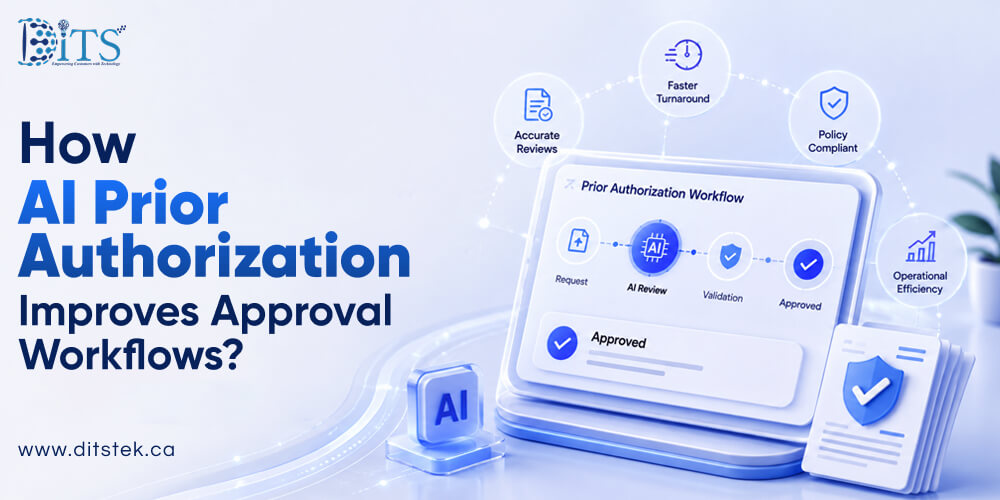
Explore how prior authorization software uses AI to automate workflows, reduce administrative effort, improve request accuracy, streamline approvals, and minimize treatment delays for healthcare organizations.

Discover how AI to improve patient experience in hospitals streamlines scheduling, communication, triage, queue management, and personalized care while enhancing operational efficiency.

Learn how IoT powers smart factories with connected devices, automation, predictive maintenance, and analytics.