What is Quality Assurance In Healthcare?
Table Of Content
Published Date :
22 Dec 2025
Modern healthcare businesses run on tight margins, strict regulations, and zero tolerance for mistakes. A delayed diagnosis, a missing record, or an audit issue affects the care delivery, reputation, revenue, and leadership. That is why more decision-makers need to understand what is quality assurance in healthcare is, and how it protects healthcare operations.
Quality assurance is not a theoretical concept; it shows up in real moments. When done right, quality assurance quietly keeps things steady, predictable, and defensible.
In this blog post, we will look at how quality assurance works in real healthcare environments, why it matters to business leaders, and where technology strengthens the process without adding complexity.
Why Quality Assurance Matters In Modern Healthcare
Healthcare leaders feel the pressure long before problems show up in reports. Patient expectations keep rising, and the tolerance for inconsistency is shrinking fast. Quality assurance sits right at the center of modern healthcare, even if it often works quietly in the background.
Patient safety is the obvious driver, but it is not the only one. Consistent care delivery protects staff as much as patients. When clear standards exist, teams are not forced to rely on memory or individual judgment during busy shifts. Fewer mistakes happen, and everyone works with more confidence.
On top of that, audits, reviews, and compliance checks are part of doing business. Strong quality assurance programs make these moments less stressful because processes are already followed and monitored.
Organizations with mature quality assurance practices tend to earn trust faster. Patients and partners trust them. Even internal teams trust leadership decisions more. Over time, that trust translates into stability, and room to grow.
Build Quality Assurance Into Your Healthcare Systems!
Discover how AI-driven healthcare software can embed compliance, consistency, and risk controls directly into your workflows.
Quality Assurance In Healthcare
At its core, quality assurance in healthcare is about setting clear standards and making sure those standards are followed every day. It focuses on preventing problems before they happen. That mindset alone changes how teams operate.
Many leaders confuse this with improvement initiatives, but the intent is different. Quality improvement looks at how to make things better over time. Quality assurance asks a simpler, tougher question. Are we doing what we promised, consistently, and within required guidelines?
This is also where the topic of quality assurance vs quality control often comes up. Quality control reacts after something goes wrong. Quality assurance works quietly in advance, building safeguards into workflows, documentation, and systems.
The scope is broader than clinical care alone. It touches administration, billing accuracy, staff training, and digital platforms. Whether it is a manual checklist or a system built through Healthcare App development, quality assurance acts as the safety net that keeps operations predictable.
Core Objectives of Quality Assurance In Healthcare Organizations
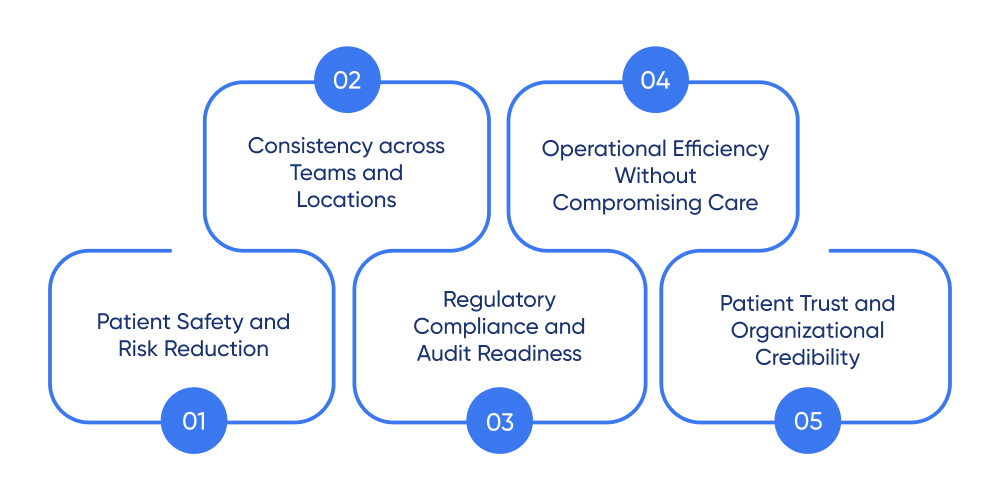
Quality assurance aims to provide patient safety, reduce risks, improve consistency, follow the compliance and enhance operational efficiency. Let us explore the core objectives of quality assurance in healthcare.
Patient Safety and Risk Reduction
Patient safety is where quality assurance proves its value first. Checklists, approvals, and defined handoffs reduces the chances of errors. Fewer incidents mean fewer escalations, and less emotional strain on staff. And that stability matters more than most dashboards ever show.
Consistency across Teams and Locations
Growth introduces variation. New locations, temporary staff, different workflows. Quality assurance sets a shared baseline, so patients receive the same standard of care regardless of where they walk in. Over time, consistency becomes operational that healthcare teams start following naturally.
Regulatory Compliance and Audit Readiness
Audits rarely fail because teams do not care. They fail because processes are informal or poorly documented. Quality assurance brings structure. It helps teams follow the policies and keep the records updated all the time. When an audit notice arrives, the date and records are already updated. The organization is already prepared, which changes the tone of the entire review process.
Operational Efficiency Without Compromising Care
Here is the practical benefit many leaders overlook. Standardized processes reduce rework. Staff spend less time fixing avoidable mistakes and more time delivering care. Costs stabilize, schedules improve, and operational friction eases without cutting corners.
Patient Trust and Organizational Credibility
Trust builds quietly. Patients feel it when appointments run smoothly and communication stays clear. Staff feel it when leadership decisions are consistent. Over time, quality assurance strengthens credibility across the organization. That trust supports growth, partnerships, and long-term sustainability.
Key Components Of A Healthcare Quality Assurance Program
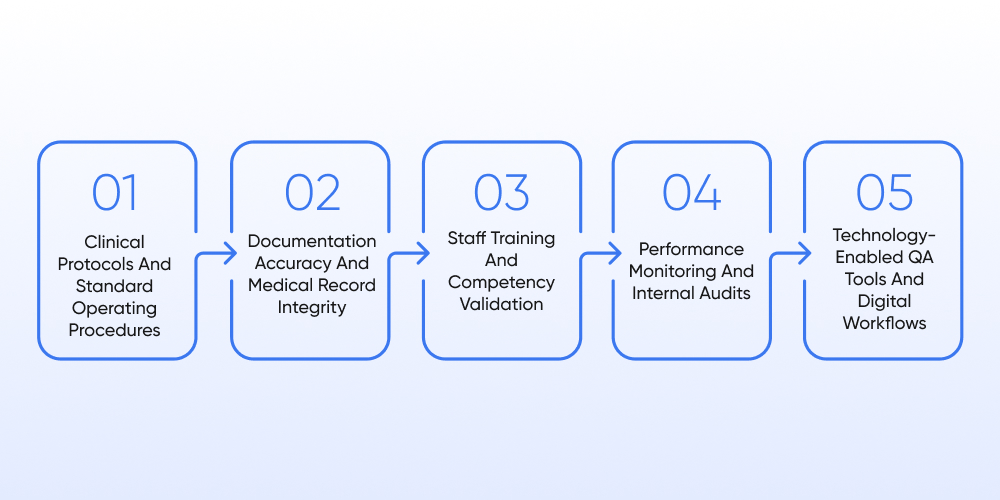
Quality assurance involves following multiple rules and paying attention to multiple areas in healthcare. Let us explore the key components of quality assurance in healthcare.
Clinical Protocols And Standard Operating Procedures
Every quality assurance program starts with clarity. Clinical protocols and care pathways define how care should be delivered, not just in ideal conditions but on the busiest days. When steps are documented and easy to follow, teams spend less time second-guessing decisions. Consistency improves naturally. And when something does go wrong, leaders can trace gaps quickly instead of guessing.
Documentation Accuracy And Medical Record Integrity
Documentation is often treated as a formality until it becomes a liability. Incomplete records slow audits, delay reimbursements, and create risk. Quality assurance ensures records are timely, accurate, and aligned with regulatory expectations. It protects the organization long after a patient visit ends, which is where many problems usually surface.
Staff Training And Competency Validation
Processes only work when people understand them. Quality assurance includes structured onboarding, refresher training, and role-specific validation. This matters even more when teams expand or turnover increases. Well-trained staff make fewer mistakes and feel more confident doing their jobs. That confidence shows in performance and retention.
Performance Monitoring And Internal Audits
Without visibility, assurance becomes assumption. Ongoing monitoring, periodic audits, and performance reviews help leadership spot trends early. Small issues get addressed before they grow into systemic problems. And teams receive feedback that feels corrective, not punitive.
Technology-Enabled QA Tools And Digital Workflows
Manual tracking has limits. Digital tools bring structure and speed. Automated checks, dashboards, and alerts reduce human error and save time. In many organizations, this connects closely with legacy application modernization, where older systems are upgraded to support quality assurance without disrupting daily operations.
Scale Your Healthcare Operations With Confidence!
Learn how technology-enabled quality assurance supports growth, standardization, and long-term sustainability.
How Effective Quality Assurance Improves Healthcare Business Outcomes
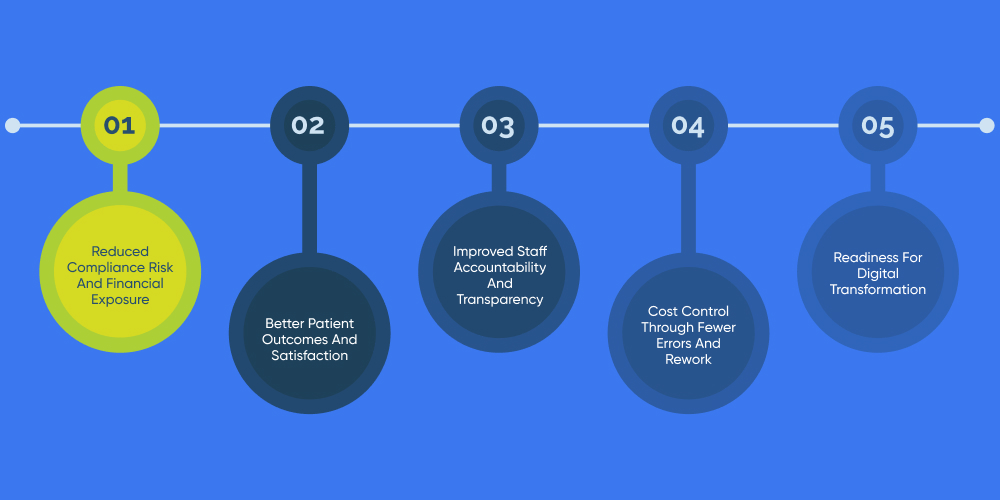
Every healthcare organization is focussed on results, and quality assurance plays a vital role in delivering the desired outcomes.
Reduced Compliance Risk And Financial Exposure
Strong quality assurance reduces regulatory surprises. When processes are followed consistently, audits become routine instead of disruptive. Fewer findings mean fewer penalties, fewer legal escalations, and fewer emergency fixes that drain leadership attention and budgets.
Better Patient Outcomes And Satisfaction
Consistency improves outcomes. Not through shortcuts, but through repeatable care delivery. Patients experience fewer delays, clearer communication, and smoother transitions. Satisfaction scores rise because care feels dependable, not rushed or improvised.
Improved Staff Accountability And Transparency
Clear standards remove ambiguity. Teams know what is expected and how performance is measured. Accountability feels fair, not reactive. That clarity improves morale and makes performance conversations more constructive.
Cost Control Through Fewer Errors And Rework
Errors are expensive. Rework wastes time. Quality assurance reduces both. Claims move faster, documentation stays complete, and operational leakage shrinks. Over time, these savings stabilize margins without sacrificing care quality.
Readiness For Digital Transformation
Organizations with strong assurance frameworks adopt new systems faster. Change feels manageable because structure already exists. Quality assurance turns digital transformation into a controlled evolution instead of a risky leap.
How Software-Driven Quality Assurance Supports Modern Healthcare
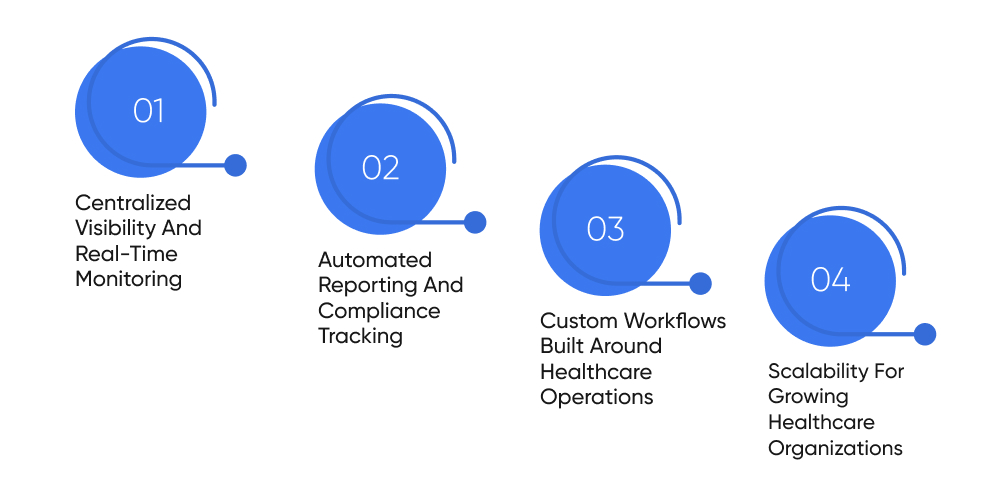
Quality assurance make the process easier and operations faster for modern healthcare service providers, offering real time monitoring, automated reporting, custom workflows and saclability.
Centralized Visibility And Real-Time Monitoring
Software brings everything into one place. Leaders no longer rely on scattered reports or delayed updates. Dashboards show what is working, what is slipping, and where attention is needed. When issues surface early, decisions are calmer and far more effective. No fire drills. No guessing.
Automated Reporting And Compliance Tracking
Manual reporting slows teams down and invites errors. Automated reporting keeps records consistent and audit-ready without extra effort from staff. Compliance tracking runs quietly in the background, which means fewer surprises when reviews happen. And fewer late nights pulling data together.
Custom Workflows Built Around Healthcare Operations
Off-the-shelf tools often force teams to adapt their processes. Software-driven quality assurance flips that. Workflows are built around how care is actually delivered. Approvals, checks, and validations follow real routines, not idealized ones. Adoption improves because systems feel practical, not imposed.
Scalability For Growing Healthcare Organizations
Growth creates complexity. New services. New locations. More data. Software-based quality assurance scales without breaking structure. Standards remain intact while operations expand. That balance allows growth without losing control, which is where many organizations struggle.
Reduce Compliance Risk Before It Becomes a Problem!
See how structured, software-driven quality assurance helps healthcare organizations stay audit-ready and operationally stable.
Why Choose DITS For Quality Assurance in Healthcare?
Quality assurance only works when it fits into how healthcare teams actually operate. At DITS, solutions are designed around real workflows, real constraints, and regulatory pressure. We align quality controls with daily administrative, and operational routines, so adoption happens naturally.
Our strength lies in healthcare app development that embeds quality checks directly into everyday systems. Documentation prompts, validation rules, and alerts work quietly in the background. Staff focus on care and operations while the system ensures standards are met.
At DITS, we use AI across software development, quality assurance, code quality monitoring, and customization. This allows systems to detect patterns early, flag risks before they escalate, and maintain consistency as operations scale. The result is assurance that adapts instead of breaking under pressure.
Quality gaps often appear during handoffs, approvals, and repetitive tasks. Through business workflow automation, we reduce dependence on memory and manual follow-ups. Processes move forward only when requirements are met. That structure lowers error rates, improves accountability, and gives leadership clearer visibility without micromanagement.
Healthcare organizations choose DITS because we think beyond deployment. Our focus is sustainability. Systems are built to evolve with regulations, growth, and changing care models.
Conclusion
Quality assurance works best when it is treated as a core business discipline. Healthcare organizations that embed quality into daily operations experience fewer disruptions, clearer decision-making, and stronger confidence across teams.
Proactive assurance also changes how leaders lead. Instead of reacting to issues after they surface, they operate with visibility and intent. Patient trust grows because care feels consistent and dependable, even during busy or unpredictable periods.
Organizations that invest in structured, technology-enabled programs are better positioned to adapt. New regulations, new systems, or expansion plans feel manageable rather than overwhelming. When leaders clearly understand quality assurance and apply it strategically, quality starts becoming a foundation for sustainable growth.
FAQs
What Is Quality Assurance In Healthcare, And Why Is It Important?
Quality assurance in healthcare ensures that care delivery, documentation, and operations follow defined standards every day. It helps prevent errors, supports compliance, and creates consistency across teams and locations. For business leaders, it reduces risk, protects reputation, and keeps operations predictable.
How Is Quality Assurance Different From Quality Improvement In Healthcare?
Quality assurance focuses on whether approved processes are being followed correctly. Quality improvement focuses on making those processes better over time. One protects consistency. The other drives progress. Strong organizations use both, but they start with assurance to avoid chaos.
What Are The Main Elements Of A Healthcare Quality Assurance Program?
A solid program includes clear clinical protocols, accurate documentation, trained staff, regular monitoring, and technology that supports visibility. When these elements work together, issues surface early instead of becoming expensive surprises later.
How Does Quality Assurance Support Regulatory Compliance In Healthcare?
Quality assurance keeps records complete, workflows standardized, and evidence easy to retrieve. When audits occur, organizations are prepared instead of reactive. That readiness reduces stress, minimizes findings, and protects leadership credibility.
Can Healthcare Quality Assurance Be Automated Through Software?
Yes, and many organizations already rely on it. Software-driven quality assurance automates checks, reporting, and monitoring inside daily workflows. This reduces manual effort and improves accuracy. At DITS, we integrate AI into software development, quality assurance, code quality management, and customization so quality controls are built into the system rather than added later.
How Can DITS Support Healthcare Organizations With Quality Assurance?
DITS helps healthcare businesses design and implement software that embeds quality assurance into everyday operations. From modernizing legacy systems to building custom platforms with AI-driven checks, we focus on reducing risk, improving consistency, and supporting long-term scalability without disrupting care delivery.

Nidhi Thakur
With more than 19 years of experience - I represent a team of professionals that specializes in the healthcare and business and workflow automation domains. The team consists of experienced full-stack developers supported by senior system analysts who have developed multiple bespoke applications for Healthcare, Business Automation, Retail, IOT, Ed-tech domains for startups and Enterprise Level clients.
Recent Posts
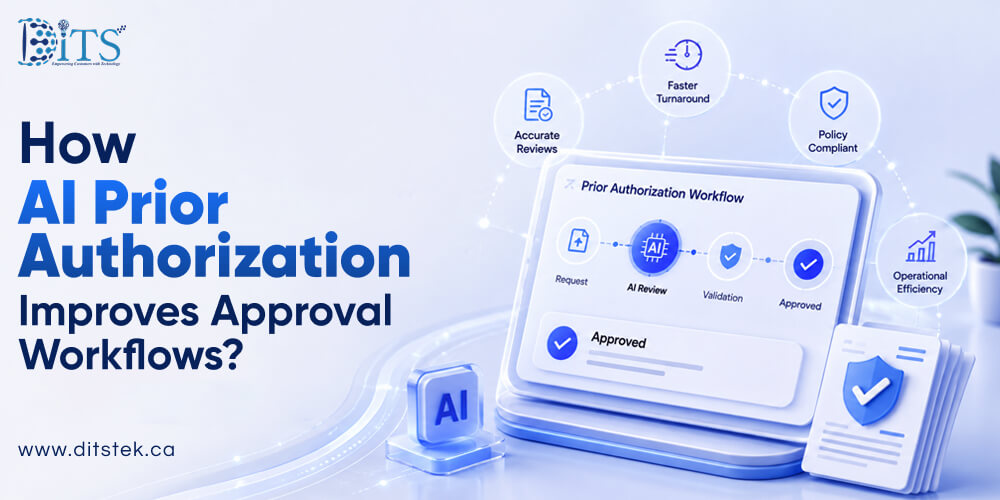
Explore how prior authorization software uses AI to automate workflows, reduce administrative effort, improve request accuracy, streamline approvals, and minimize treatment delays for healthcare organizations.
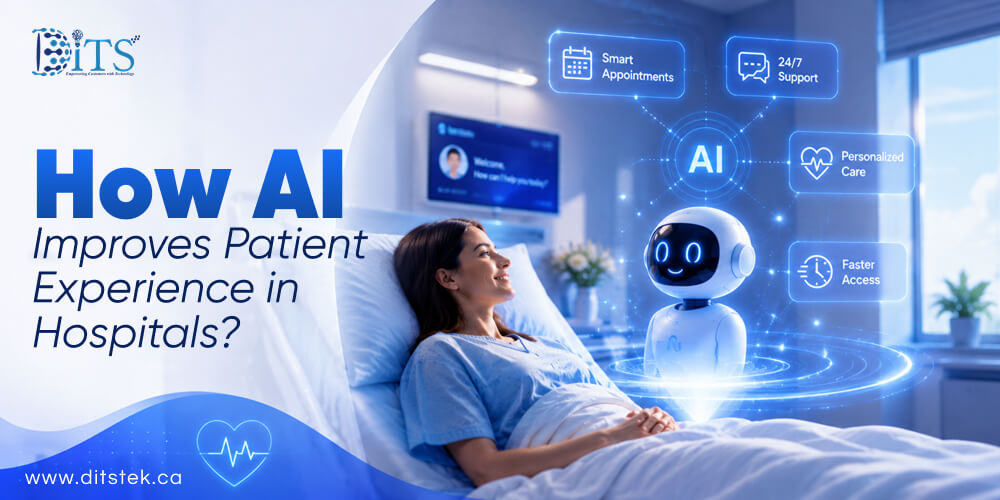
Discover how AI to improve patient experience in hospitals streamlines scheduling, communication, triage, queue management, and personalized care while enhancing operational efficiency.

Learn how IoT powers smart factories with connected devices, automation, predictive maintenance, and analytics.