What Is Inventory Management in Supply Chain
Table Of Content
Published Date :
19 Dec 2025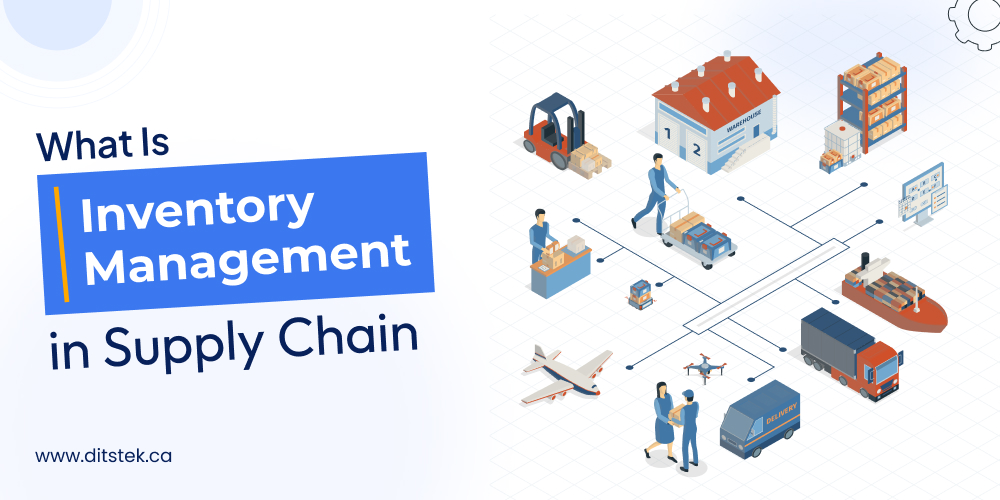
Inventory is one of those areas where money quietly sits still. Products are purchased, stored, insured, moved, and monitored long before a single dollar is earned from them. Until an order is shipped and accepted, inventory remains an expense, not revenue. For businesses operating within layered supply networks or handling time-sensitive and high-value goods, managing that inventory becomes far more demanding than simple stock counts suggest.
In Canada, supply chains fail due to several reasons without a hint. A delayed shipment or an excess stock sitting through another winter season may lead to a disruption in the supply chain. A warehouse team stretched thin while customer expectations climb higher every quarter.
Add cross-border friction with the US, unpredictable weather logistics, and rising commercial real estate costs, and suddenly, inventory becomes the most expensive component in supply chain.
This is where the question arises: What is inventory management in supply chain, really, and why does it feel harder than it should? Inventory management is not about simply knowing how much stock you have. It is about deciding how much cash stays liquid, how fast orders move, and how reliably customers trust you.
This blog takes a practical look at inventory management from a business perspective. You will see how inventory fits into supply chain operations, where companies commonly lose control, and how disciplined inventory practices can protect margins, improve service levels, and support long-term growth.
Take control of inventory before it controls your margins!
Talk to our supply chain experts about building an inventory system that actually fits how your business operates.
What is Inventory Management?
Inventory management is the critical discipline focused on the precise tracking, regulation, and optimization of all physical assets, from essential raw materials and work-in-progress (WIP) to the finished goods ready for market. This control extends through every operational phase, from initial procurement to final delivery.
Its core objective is simple yet powerful: ensuring the optimal deployment of capital by positioning the right quantity of stock across all warehousing and distribution points to guarantee consistent customer fulfillment. When executed efficiently, modern inventory management systems achieve two vital business outcomes:
Financial Efficiency: They eliminate overstocking, preventing the unnecessary tie-up of working capital and mitigating high carrying costs (storage, insurance, obsolescence), thereby directly boosting profitability.
Market Resilience: They mitigate the risk of revenue-losing stockouts and equip the business with the agility required to quickly adapt to fluctuating market demand, supply chain bottlenecks, and other disruptive economic challenges.
In a fast-paced business environment, inventory management is a strategic function that underpins operational stability and maximizes return on investment in inventory.
Inventory Management a Supply Chain’s Control Room
Inventory management sits at the center of everything. Procurement decisions, production schedules, warehouse layout, transportation planning, and sales commitments all orbit this function.
At a practical level, inventory management controls how raw materials enter the business, how products move between locations, and how finished goods are made available for sale. What makes supply-chain-driven inventory management different from basic stock tracking is context. A simple inventory list tells you what is available. A supply chain view explains why it is there, how long it should stay, and where it needs to go next.
Inventory management connects forecasting models, reorder logic, warehouse operations, and delivery execution into a single operational rhythm. When it works perfectly, teams move faster without rushing and when it breaks, every department compensates in isolation.
Modern inventory management, supply chain management system platforms are built around three critical pillars.
Forecasting
Canadian demand patterns are shaped by seasons, geography, and promotion cycles. Winter logistics alone can distort lead times by weeks. Forecasting today blends historical data with real-time signals to predict demand before customers articulate it.
Replenishment
Reordering too early locks up capital. Reordering too late burns trust. Effective replenishment strategies align vendor lead times, transportation risk, and sales velocity so inventory arrives when it still has value.
Warehousing and Logistics
With warehouse space at a premium in cities like Toronto and Vancouver, storage efficiency is most crucial. Inventory systems must minimize unnecessary movement, reduce pick errors, and keep fulfillment predictable even during peak surges.
Struggling with excess stock, missed orders, or unclear inventory data?
Let’s design a smarter inventory management solution tailored to your supply chain.
Why Canadian Businesses Feel the Pressure First
Canada’s supply chain challenges are structural, not temporary.
Distance is the first hurdle. Shipping inventory from Mississauga to Calgary is not a short hop. Shipping to long distances, can lead to forecasting errors and transportation delays.
Cross-border complexity follows close behind. Exchange rate volatility, customs processing, and shifting tariff policies directly affect landed costs. Without tight inventory control, the cost of goods sold becomes a moving target rather than a measurable metric.
Then there is labor. Skilled warehouse staff are increasingly hard to retain, especially in high-cost urban areas. Businesses are forced to do more with fewer hands, making automation less of a luxury and more of a necessity.
Layer in regulatory obligations like PIPEDA, and inventory data itself becomes a compliance concern. Visibility cannot come at the cost of governance.
This is why inventory management, supply chain management system choices in Canada require more nuance than many global platforms acknowledge.
Inventory Management Software Challenges
Many platforms are built for US-first operations. They struggle with Canadian realities like GST, HST, and PST handling, bilingual interface requirements, and integration gaps with local carriers such as Canada Post and Purolator. Even basic reporting can feel slightly off, forcing teams into workarounds that slowly erode trust in the system.
Custom-built solutions approach the problem differently.
Scalability matters when expansion means crossing provincial rules, not just adding volume. Integration matters when legacy ERP systems or localized accounting tools like QuickBooks Canada or Xero are already embedded in operations. Data sovereignty matters when sensitive operational data must remain on Canadian servers.
This is where tailored supply chain management solutions stop being a technical preference and start becoming a strategic advantage.
Key Components of Inventory Management
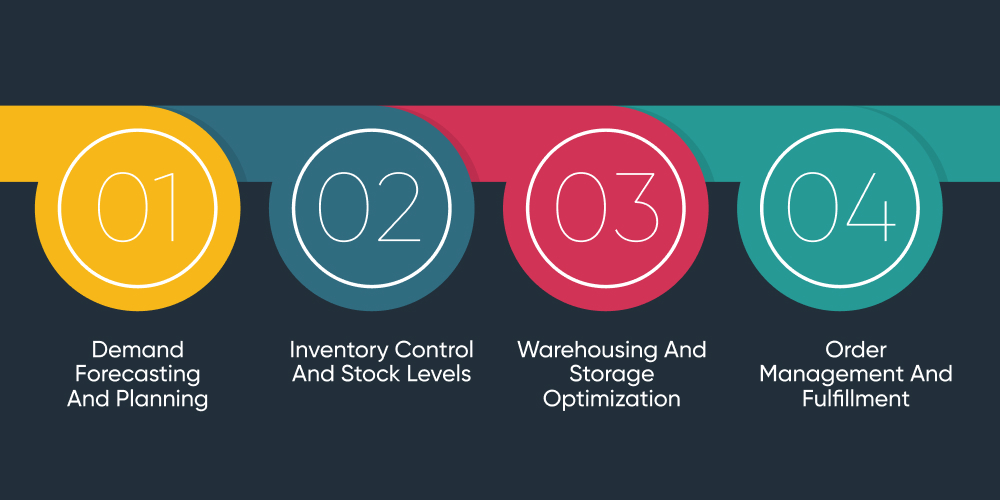
Inventory management does not succeed because of one good decision. It works because several operational elements move in sync. When even one component is overlooked, small issues begin to stack up.
Delayed orders and excess stock are some common reasons. Over time, those gaps turn into cost and frustration. Understanding these building blocks helps leaders see where control is gained or lost.
Demand Forecasting And Planning
Demand forecasting sets the tone for everything that follows. When forecasts are grounded in real data rather than assumptions, inventory decisions become far less risky.
- Historical sales trends reveal seasonal spikes and slow periods that are easy to miss month to month
- Demand signals from sales teams and customers help avoid last-minute purchasing
- Forecast accuracy directly affects stock availability and working capital
- Poor forecasts often lead to emergency orders that cost more and deliver less value
Get this wrong, and inventory becomes a constant fire drill. Get it right, and planning finally feels predictable.
Inventory Control And Stock Levels
This is where discipline shows up. Inventory control determines how much stock is enough and how much becomes waste.
- Safety stock protects against supplier delays and demand swings
- Reorder points prevent sudden shortages that disrupt fulfillment
- Buffer strategies help businesses absorb uncertainty without overbuying
- Overstocking ties up cash and increases storage and insurance costs
There is always a tradeoff. Too little stock creates risk. Too much creates drag. Strong inventory management finds the balance and revisits it often.
Warehousing And Storage Optimization
Warehouses are not just storage spaces. They are operational assets that influence speed, accuracy, and cost.
- Clear inventory organization reduces picking errors and handling time
- Location tracking prevents stock from going missing inside facilities
- Smart space utilization lowers storage costs and improves throughput
- Accuracy at the warehouse level prevents downstream failures
Many businesses discover that inventory problems blamed on suppliers actually start inside their own walls.
Order Management And Fulfillment
Inventory proves its value when orders move smoothly from request to delivery. This is where customers feel the difference.
- Inventory data must stay aligned with sales and distribution systems.
- Real-time availability prevents overpromising to customers.
- Fulfillment delays often trace back to outdated stock information.
- Accurate inventory reduces returns, cancellations, and service escalations.
When fulfillment runs cleanly, teams stop reacting and start focusing on growth.
Role of Technology in Inventory Management
Technology is often the turning point where inventory management stops being reactive and becomes intentional. As order volumes grow and supply networks expand, manual tracking cannot keep pace. Updates arrive late. Errors multiply quietly. Decisions are made with partial information.
Inventory Systems and ERP Integration
Disconnected systems create friction. Integration removes it.
- Inventory data syncs with purchasing and sales activity
- Procurement reflects real stock levels, not estimates
- Finance gains clearer visibility into inventory value
- Teams spend less time reconciling numbers
This is where inventory becomes part of the broader supply chain management system instead of a separate task.
Real-Time Tracking and Reporting
Information delays often cause bigger problems than delivery delays.
- Live updates reduce overpromising
- Dashboards surface slow-moving stock early
- Shortages become visible before they escalate
- Reporting shifts from hindsight to foresight
For operations managing physical movement at scale, visibility improves further when systems are supported by IoT app development services. Sensor-driven updates reduce blind spots and keep inventory data aligned with reality as goods move through warehouses and transit routes.
Automation and Data-Driven Decisions
Automation removes human lag from inventory updates and replenishment.
- Stock adjusts automatically as goods move
- Reorder triggers prevent panic buying
- Manual errors decline sharply
- Teams regain time for higher-value work
At DITS, we integrate AI into software development, quality assurance, code quality maintenance, and customization. This ensures inventory platforms remain reliable, adaptable, and resilient as operations evolve, an approach we often apply across broader initiatives like supply chain management software development.
How Inventory Management Improves Supply Chain Performance
When inventory management starts working the way it should, the impact is felt across the entire operation. Fewer urgent calls. Fewer last-minute purchases. Fewer uncomfortable conversations with customers. Things begin to move with rhythm instead of resistance. And that shift is usually visible long before it shows up in reports.
Here is how disciplined inventory practices strengthen supply chain performance in practical, measurable ways.
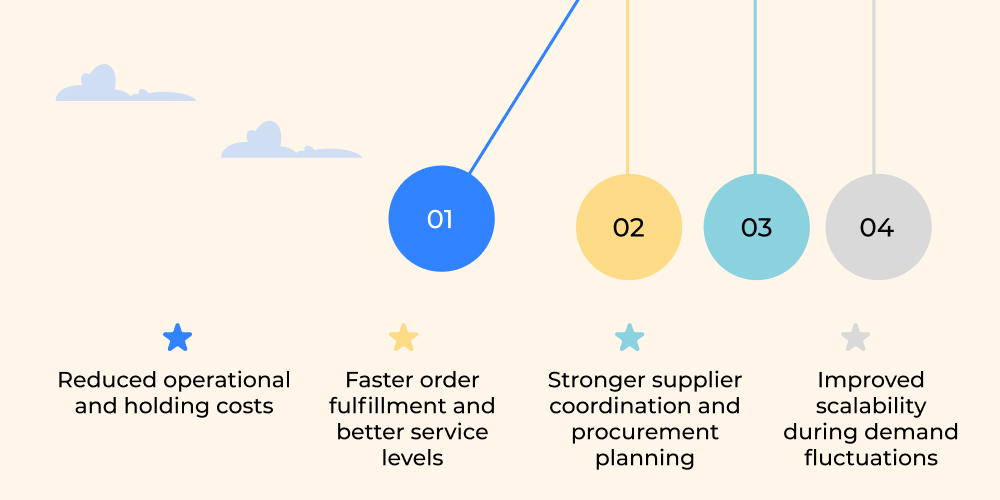
Reduced Operational and Holding Costs
Inventory that is planned with intent does not sit idle for long. Stock levels align more closely with actual demand, which lowers storage, insurance, and handling expenses. Emergency procurement drops, and so do premium freight costs. Over time, these savings add up quietly but meaningfully.
Faster Order Fulfillment and Better Service Levels
When inventory data stays accurate and current, fulfillment teams move with confidence. Orders are picked faster. Backorders decline. Customers receive what they were promised, when they were promised it. That reliability builds trust, which is harder to win back than it is to lose.
Stronger Supplier Coordination and Procurement Planning
Clear inventory visibility improves conversations with suppliers. Purchase orders are based on real needs, not panic. Lead times become easier to manage. Suppliers respond better when they are not constantly asked to rush or revise shipments.
Improved Scalability During Demand Fluctuations
Growth often exposes weak inventory processes. Effective inventory management absorbs pressure instead of amplifying it. Whether demand spikes unexpectedly or slows for a quarter, inventory plans adjust without disrupting operations or cash flow.
Still relying on disconnected tools to manage inventory?
Explore how custom supply chain management software can bring forecasting, replenishment, and fulfillment into one clear view.
How DITS Closes the Gap?
Inventory challenges rarely come from a lack of effort. They come from systems that were never designed to operate the business the way it does today. This is where purpose-built software makes a difference, as a support system that removes friction from daily decisions.
We build custom dashboards that surface real-time inventory positions across multiple warehouses without drowning teams in metrics. Automated reordering engines are tuned to your supplier lead times, transportation risk, and seasonal demand curves.
Our work sits at the intersection of AI software development, operational reality, and long-term resilience. We design systems that adapt to how Canadian businesses actually operate, not how templates assume they should.
What businesses typically gain from working with DITS includes:
- Inventory platforms aligned with real supply chain workflows: Systems reflect how stock actually moves across locations and partners, reducing manual corrections.
- Better visibility without overwhelming teams: Dashboards focus on what matters operationally, not vanity metrics that distract decision-makers.
- Scalable architecture that supports growth: Whether adding new warehouses, suppliers, or sales channels, the system grows without breaking.
- Lower operational risk over time: Built-in quality assurance and ongoing optimization prevent silent failures that surface too late.
In some environments, teams also need faster access to inventory answers without digging through dashboards. In those cases, we apply AI chatbot development to support internal users, enabling quick inventory checks, order status queries, or exception alerts through conversational interfaces tied directly to live system data.
Conclusion
Inventory management has quietly become one of the most decisive factors in supply chain performance. Leaders who understand what is inventory management in supply chain today are better equipped to protect cash flow, meet customer expectations, and scale with confidence tomorrow.
Understanding what is inventory management in supply chain helps leaders move beyond viewing stock as a necessary burden. It becomes a controllable asset. One that protects cash flow, supports service levels, and absorbs uncertainty without constant intervention. Businesses that invest in the right processes and systems early tend to spend less time reacting and more time improving.
The takeaway is simple. Inventory does not need to be perfect. It needs to be intentional, connected, and continuously refined. When those pieces come together, inventory stops holding the business back and starts pushing it forward.
FAQs
What is inventory management in supply chain management?
Inventory management in supply chain management refers to the process of planning, controlling, and tracking inventory as it moves from suppliers to warehouses and finally to customers. It ensures stock levels align with demand, costs remain under control, and operations run without disruption.
Why is inventory management important for supply chains?
Inventory management is important because it directly affects cash flow, customer satisfaction, and operational stability. Poor inventory control leads to stockouts, excess holding costs, and missed sales, while effective management improves reliability and efficiency.
What are main types of inventory management systems?
The main types include perpetual inventory systems, periodic inventory systems, just-in-time inventory models, and centralized or distributed inventory setups. Each suits different business sizes and operational complexity.
How does inventory management reduce supply chain costs?
Inventory management reduces costs by minimizing excess stock, lowering storage and handling expenses, preventing emergency purchases, and reducing write-offs from obsolete or damaged goods.
When should a business upgrade its inventory management system?
A business should consider upgrading its inventory management system when manual tracking becomes unreliable, order volumes increase, visibility across locations is limited, or inventory issues begin affecting customer service and cash flow.

Dinesh Thakur
21+ years of IT software development experience in different domains like Business Automation, Healthcare, Retail, Workflow automation, Transportation and logistics, Compliance, Risk Mitigation, POS, etc. Hands-on experience in dealing with overseas clients and providing them with an apt solution to their business needs.
Recent Posts
Explore how prior authorization software uses AI to automate workflows, reduce administrative effort, improve request accuracy, streamline approvals, and minimize treatment delays for healthcare organizations.

Discover how AI to improve patient experience in hospitals streamlines scheduling, communication, triage, queue management, and personalized care while enhancing operational efficiency.

Learn how IoT powers smart factories with connected devices, automation, predictive maintenance, and analytics.